
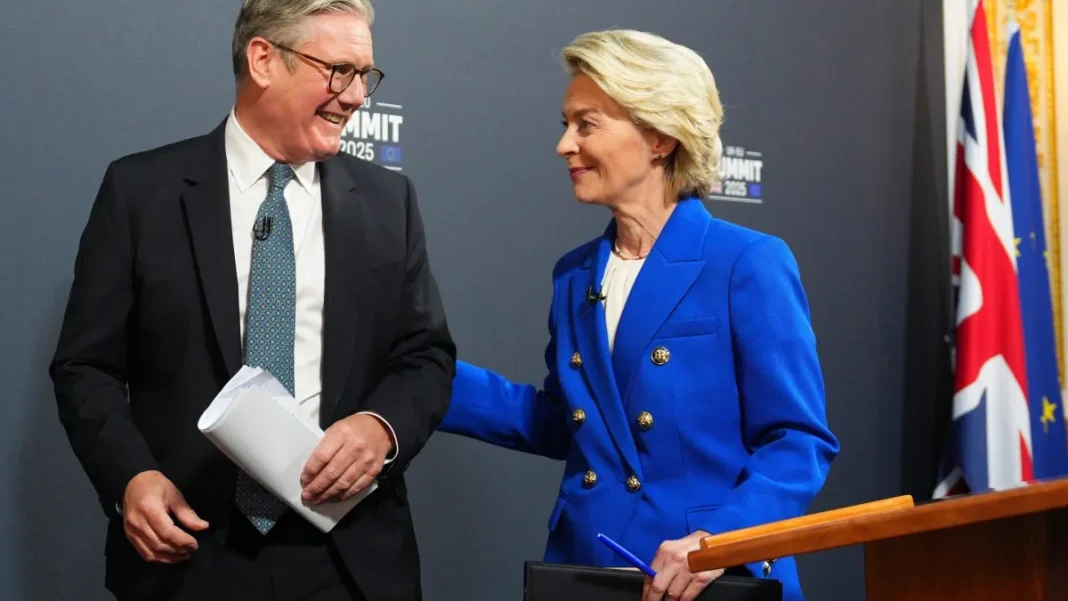
Plans for a major UK-EU summit this summer have come under pressure after fresh disagreements emerged over a proposed youth mobility scheme. The debate over UK-EU youth visas has become one of the biggest obstacles to a wider agreement between London and Brussels.
The proposed arrangement would allow young people from the UK and European Union to live, work, or study abroad for a limited period. Supporters believe the plan could strengthen ties a decade after Brexit. However, several European governments reportedly have concerns about the impact on their own labour markets.
As a result, officials now fear that the planned summit could face delays if negotiators fail to reach a compromise. A meeting had been expected in mid-July, but diplomatic sources suggest alternative dates are now under consideration.
Meanwhile, British negotiators remain optimistic that both sides can eventually strike a deal. Even so, they acknowledge that discussions have become more complicated in recent days. Several member states are said to want tighter limits or special conditions before backing the proposal.
At the centre of the debate is the number of visas each country would accept. Current discussions involve a capped system that would allocate places according to population size. The UK government has insisted on a firm limit to avoid concerns about uncontrolled migration.
In contrast, some European representatives previously supported a more flexible model with annual reviews. That approach would allow authorities to adjust the number of participants if demand increased sharply. However, British officials have continued to push for stricter controls.
Another issue involves university tuition fees. Some European diplomats believe the UK could ease tensions by allowing EU students to pay the same tuition rates as domestic students. They argue that such a move would demonstrate goodwill and help secure support for the wider package.
Government figures in London have resisted that suggestion. They believe additional concessions could trigger fresh demands from other member states and prolong negotiations even further. Ministers also face pressure from universities, which continue to deal with financial challenges.
Alongside the youth mobility plan, negotiators have also worked on agreements covering food trade standards and carbon market cooperation. According to officials familiar with the talks, those areas have made significant progress. Therefore, attention has now shifted almost entirely to resolving the dispute over UK-EU youth visas.
Some diplomats have suggested a framework agreement could offer a temporary solution. Under that approach, the European Commission would outline the broad terms while individual countries work through remaining concerns. However, some governments may still seek exemptions for certain sectors or temporary workers.
Despite the latest difficulties, both sides continue to stress the importance of improving post-Brexit relations. British officials argue that the wider package should move forward together rather than as separate agreements. They also insist that any final deal must include a balanced and carefully managed visa scheme.
For now, negotiators continue to work behind the scenes. Although the timetable has tightened, both London and Brussels appear determined to keep discussions alive. As a result, attention will remain fixed on whether UK-EU youth visas can unlock a broader reset in relations before the summer window closes.
For more updates on this news, follow London Pulse News.