
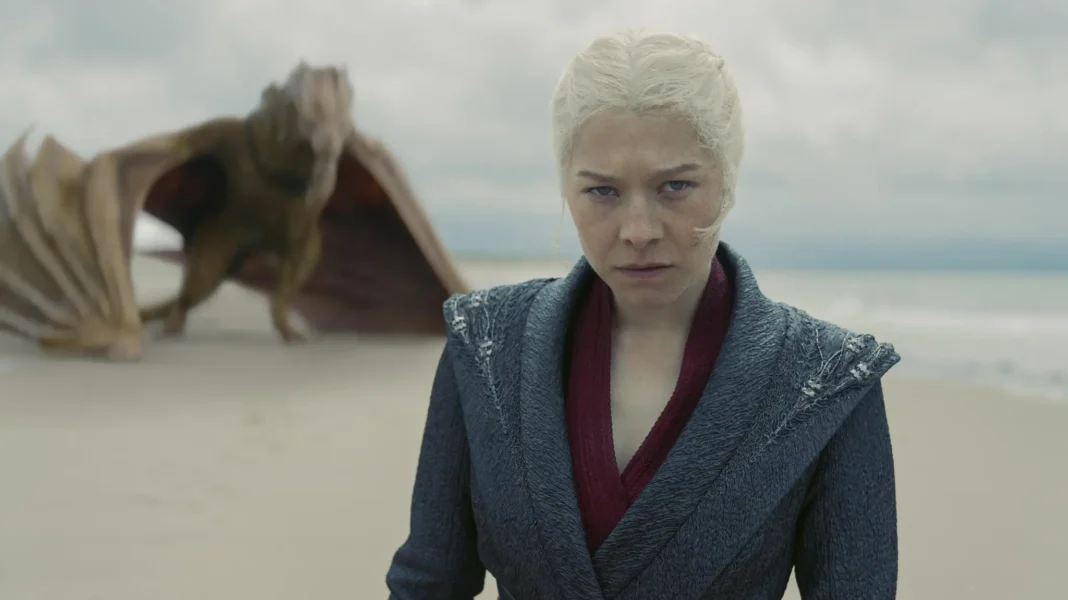
Dragon Release Plan opens a new chapter for the Game of Thrones television universe in 2026. Moreover, this strategy aims to fix long gaps between seasons that previously frustrated many fans. Therefore, the franchise now focuses on steady releases and consistent audience engagement.
Game of Thrones ended years ago, yet its world still attracts huge interest. However, the first spinoff created scheduling problems that hurt momentum. House of the Dragon launched with massive attention and early praise. Then, viewers faced long waits before each new season arrived.
Those long delays caused viewers to lose interest over time. Therefore, ratings dropped between the first and second seasons. Many fans forgot important storylines during the waiting period. As a result, excitement did not reach previous levels.
HBO leaders noticed this trend quickly. Therefore, they decided to change how new spinoffs release episodes. They wanted to prevent the same issue from happening again. That decision led directly to a new production model.
The Dragon Release Plan now shapes this improved approach. Moreover, it centers on annual season launches for new shows. This steady rhythm keeps fans engaged every year. It also helps stories feel more continuous and emotional.
A Knight of the Seven Kingdoms leads this new direction. The series started airing its first season earlier this year. However, production on the second season already continues. Therefore, viewers will not wait multiple years for new episodes.
This faster schedule benefits both storytelling and fan loyalty. Characters can grow naturally before audience eyes. Meanwhile, plotlines stay fresh in public memory. That momentum helps maintain strong viewership numbers.
House of the Dragon struggled because of large production breaks. However, the new spinoff avoids that mistake. Instead, it follows a tight filming and release timeline. That change marks a major shift in franchise management.
The Dragon Release Plan also supports young actors. They can age on screen without dramatic jumps. Therefore, realism improves within each storyline. Fans appreciate this more natural progression.
HBO executives believe yearly seasons will build long term loyalty. Moreover, they expect stronger social media engagement. Regular releases keep discussions active all year. That attention benefits the entire franchise.
This new strategy also helps merchandise and streaming subscriptions. Therefore, the brand stays visible and profitable. Consistency creates excitement instead of frustration. Fans now feel confident about future releases.
House of the Dragon will continue its slower production cycle. However, newer series will follow the improved system. That balance allows creative teams to work efficiently. Meanwhile, viewers enjoy steady content.
The Dragon Release Plan sends a clear message. The network wants to respect fan patience. It also wants to protect long term storytelling. This shift proves the studio listens to feedback.
Industry analysts already praise this move. They see it as a smart correction. Moreover, it shows how franchises must adapt. Streaming competition now demands regular engagement.
The new spinoff also brings fresh characters and tone. That variety attracts new audiences. Therefore, the franchise can expand beyond familiar stories. This growth supports future projects.
As 2026 continues, more seasons will follow quickly. Fans no longer fear endless waiting periods. Therefore, enthusiasm remains high. The world of Westeros feels alive again.
The Dragon Release Plan now defines this new era. It offers consistency and confidence. It also keeps fans emotionally invested. This change may secure the franchise for many years.
Viewers now look forward to every upcoming premiere. They trust the new scheduling. Therefore, excitement continues to build. The future of Game of Thrones appears much brighter.
For more updates on this news, follow London Pulse News.