
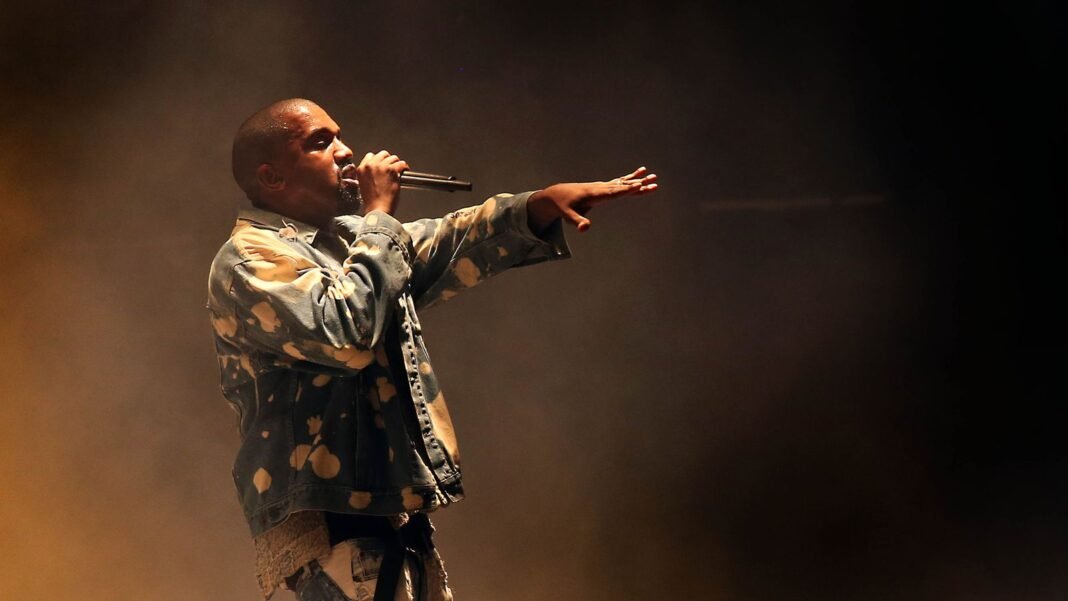
A major festival booking backlash has erupted following the decision to feature Kanye West at a leading UK music event. Organizers have now responded publicly as criticism continues to spread. As a result, the controversy surrounding the festival booking backlash remains a dominant topic.
Melvin Benn, the head of Festival Republic, defended the decision to include the rapper as a headline act. He addressed concerns after strong reactions from the public and political figures. Furthermore, he urged critics to consider a more forgiving approach.
The artist is set to headline Wireless Festival across three nights in July. The event will take place at Finsbury Park from July 10 to July 12. However, the announcement quickly triggered a festival booking backlash online and across media platforms.
Benn stated that he strongly opposes hateful ideologies. He also emphasized his long-standing personal and political beliefs. In addition, he explained that personal experiences shaped his views on forgiveness. Therefore, he called for understanding in response to the situation.
Benn acknowledged the seriousness of the artist’s past remarks. He described previous comments about Jewish people and historical figures as unacceptable. At the same time, he argued that the performer has expressed regret. Consequently, he suggested that audiences should allow room for change.
He also clarified the purpose of the performance. According to Benn, the festival will focus strictly on music. He stressed that the event will not serve as a platform for political statements. Instead, he said the artist will perform songs already widely available in the UK.
The festival booking backlash has led to wider consequences. Some brands have reportedly withdrawn sponsorship support. In addition, critics have called on authorities to review the artist’s eligibility to enter the country. These developments have intensified the public debate.
The controversy follows a series of incidents involving the rapper. In recent years, he faced criticism for antisemitic remarks and public statements. He also sparked outrage through controversial music releases and merchandise. As a result, his appearances continue to generate strong reactions.
Despite this, organizers maintain that the booking aligns with existing norms. They pointed out that the artist’s music remains accessible on streaming platforms. Therefore, they argue that a live performance should not be treated differently.
On the other hand, opponents insist that the decision sends the wrong message. They argue that high-profile events should reflect broader social responsibility. Consequently, the festival booking backlash shows no signs of slowing down.
As the event approaches, attention will remain on both organizers and performers. The ongoing debate highlights tensions between artistic freedom and public accountability. Ultimately, the situation continues to divide opinion across the UK and beyond.
For more updates on this news, follow London Pulse News.