
UK GDP Growth accelerated in the second quarter, helped by strong service activity during the World Cup and summer heatwaves.
The economy expanded by 0.4% between April and June, according to official figures. The result exceeded expectations from City economists. However, growth slowed from the 0.6% increase recorded during the first quarter of 2026. June also delivered stronger results than analysts expected.
Monthly GDP increased by 0.3% in June, despite forecasts predicting no change. The figure followed weaker performances earlier in the quarter. The economy contracted by 0.1% in April before showing no growth during May. June then provided a stronger boost to overall quarterly performance.
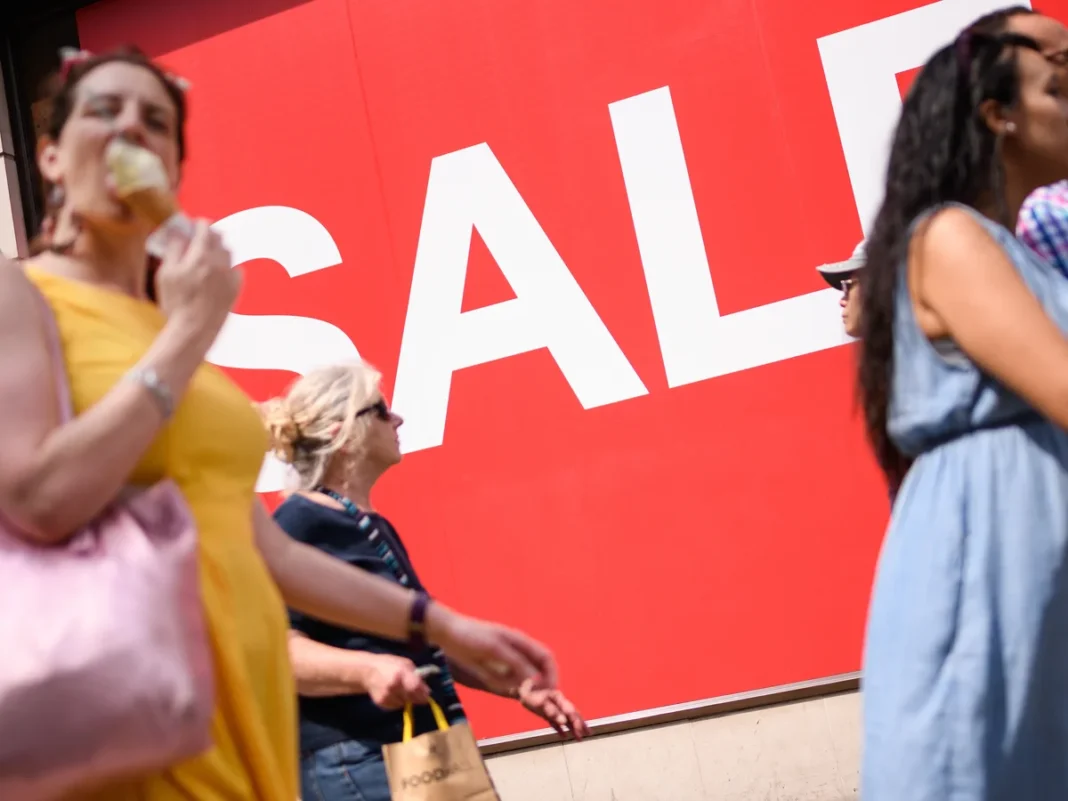
Services played a major role in supporting the economy during the period. Meanwhile, hospitality businesses benefited from increased activity around major sporting events. Pubs and restaurants enjoyed stronger trading during the World Cup. In addition, unusually warm weather encouraged more people to spend time outside.
The combination helped businesses across accommodation, food and entertainment. Information and communication businesses also recorded stronger activity during June. Economists cautioned that some of this improvement may prove temporary. Sporting events and exceptional weather can create short-term increases in consumer spending.
Ruth Gregory, deputy chief UK economist at Capital Economics, highlighted this effect. She said several sectors likely benefited from temporary factors during June. Those sectors included arts, entertainment, information, communication, accommodation and food services. Consequently, the latest figures do not necessarily signal sustained economic strength.
Aaron Bright, an investment analyst at IG, also pointed to the World Cup effect. He said hospitality, retail and pubs received a boost from the tournament. Nevertheless, he warned that temporary events cannot provide a reliable foundation for long-term growth. Production activity also remained weak during the quarter.
The latest figures show that services continue to support the wider economy. However, production recorded no growth across the three-month period. Liz McKeown, ONS director of economic statistics, said quarterly growth had slowed. Nevertheless, she described the performance as relatively robust following a strong start.
She also noted that businesses linked good weather and sporting events with stronger June activity. Therefore, the summer conditions provided an important short-term economic lift. The figures arrive during a challenging period for the government. Britain continues to face economic pressure linked to international developments and household costs.
Chancellor John Healey welcomed the figures and highlighted the government’s economic ambitions. He said businesses still face pressure from the wider international situation. Healey also argued that the government must continue supporting economic resilience. He said ministers would focus on driving growth across the country.
The latest figures also provide political ammunition for the opposition. Shadow Chancellor Sir Mel Stride criticised the government’s economic approach. Stride argued that Labour lacks a clear strategy for sustainable economic expansion. He also criticised government plans involving taxation and borrowing.
Despite the political debate, the figures offer some positive news for the economy. The stronger June performance helped Britain record quarterly growth above expectations. The World Cup boost also shows how major events can influence consumer-facing industries. However, economists remain cautious about relying on temporary factors.
Ultimately, UK GDP Growth reflects a mixed economic picture. Services and consumer activity provided support, while production remained under pressure. The next economic figures will show whether June’s momentum can continue. For now, the government can point to stronger growth than economists expected.
For more updates on this news, follow London Pulse News.