
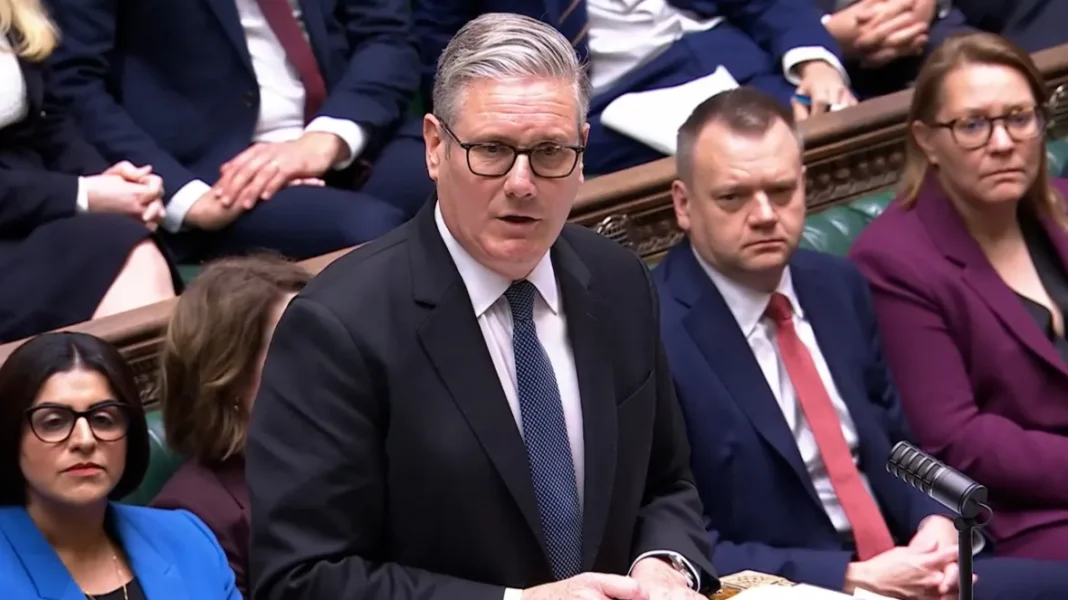
The proposed UK social media ban for under-16s has drawn criticism from the White House as ministers continue to consider tougher online safety measures for children.
The administration of Donald Trump urged the British government to avoid introducing an Australian-style ban on social media access for teenagers. Instead, US officials argued that parents should take primary responsibility for managing their children’s online activity.
The White House also warned that broad restrictions could affect freedom of speech. Furthermore, officials said strict regulations could place additional burdens on American technology companies operating in Britain.
The debate over a UK social media ban has intensified following a government consultation on protecting children online. During the process, the US submitted feedback opposing blanket restrictions on young users.
In its response, the US administration encouraged policymakers to focus on targeted measures rather than wide-ranging bans. It also supported stronger controls on adult and pornographic content instead of broader limits on social media platforms.
However, Liz Kendall dismissed suggestions that international pressure would influence the government’s decision. She stressed that protecting British children remains her priority.
Speaking about the issue, Kendall said she was more interested in the views of British parents than submissions from foreign governments. Moreover, she emphasized that ministers would make decisions based on the needs of UK families.
According to Kendall, a large majority of parents who responded to the consultation support stronger restrictions on social media access for under-16s. Consequently, the government continues to examine a range of possible measures.
The UK social media ban proposal could form part of a wider package of online safety reforms. Although ministers have not confirmed a final policy, reports suggest the government may announce its plans in the coming weeks.
Unlike Australia’s approach, Britain may adopt a more flexible system. For example, officials could restrict specific features, services, or age groups rather than imposing a complete ban.
Meanwhile, Kendall acknowledged that any future restrictions would require effective age verification systems. Therefore, ministers are studying international examples to understand how such measures could work in practice.
The government is also reviewing other online safety concerns. These include stranger-to-stranger communication on gaming platforms, addictive scrolling features, and overnight access to social media services.
Supporters of a UK social media ban argue that stronger protections could reduce online harms and improve young people’s wellbeing. On the other hand, critics question whether restrictions alone can address the challenges children face online.
As technology continues to evolve, ministers believe online safety policies must adapt as well. Consequently, the debate over a UK social media ban is expected to remain a major political issue in the months ahead.
For more updates on this news, follow London Pulse News.