
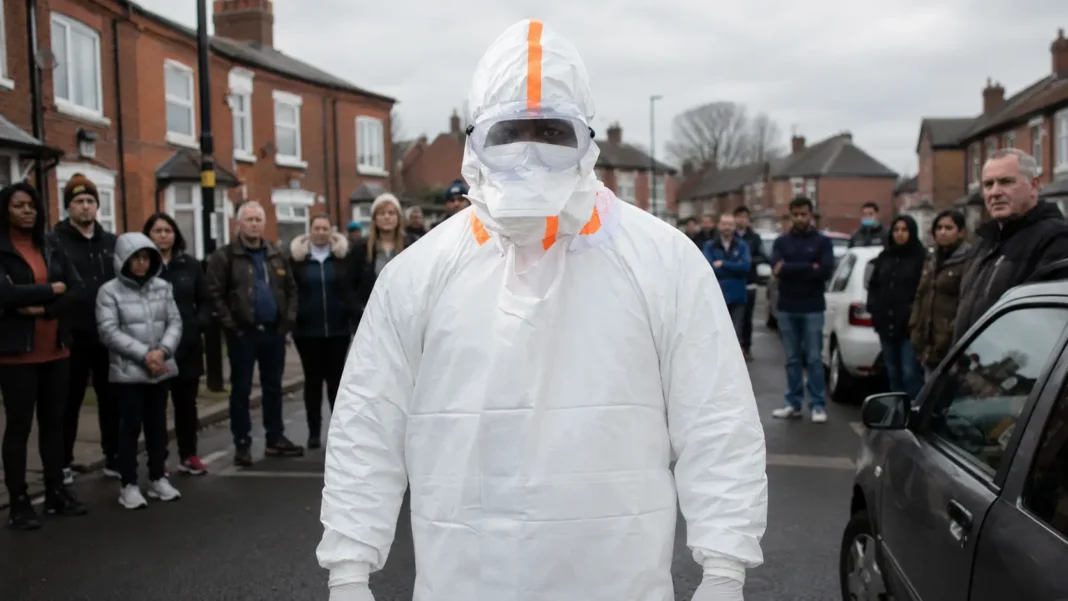
Ebola monitoring has begun in London after a UK humanitarian worker returned from the Democratic Republic of Congo following a potential exposure. Ebola monitoring remains a precaution because the individual has not developed any symptoms. Meanwhile, Ebola monitoring will continue throughout the virus’s incubation period while health officials closely assess the situation.
The UK Health Security Agency confirmed that the humanitarian worker recently arrived in Britain after working in the Democratic Republic of Congo. Health officials said the person is a UK resident but did not release their identity.
Authorities arranged the medical evacuation as a precaution after a possible healthcare-related exposure to Ebola. However, officials stressed that the individual remains well and has shown no signs of illness.
Doctors admitted the humanitarian worker to a London hospital for assessment and observation. Although officials did not identify the hospital, specialist isolation facilities are available in the capital for patients requiring high-level infectious disease care.
Health experts said the worker will remain in isolation during the monitoring period. The Ebola virus can take between two and 21 days before symptoms appear. Therefore, doctors will continue regular medical assessments throughout that time.
The humanitarian worker had been supporting international efforts to respond to the Ebola outbreak in the Democratic Republic of Congo. Healthcare teams continue working in affected areas to help contain the spread of the disease.
The UK Health Security Agency reassured the public that the current risk remains low. Officials explained that the evacuation followed established public health procedures rather than any confirmed infection.
Richard Pebody, Director of Epidemic and Emerging Infections at the UK Health Security Agency, said the transfer reflected an abundance of caution. He also confirmed that the individual continues to feel well.
Health officials emphasized that Britain currently has no confirmed Ebola cases. They also said there is no evidence suggesting any wider public health risk.
Unlike influenza or COVID-19, Ebola does not spread through the air. Instead, the virus spreads through direct contact with the bodily fluids of an infected person.
Symptoms usually begin suddenly. Patients often experience fever, headaches and extreme fatigue during the early stages. As the illness progresses, many develop vomiting and diarrhoea. Severe cases can also lead to organ failure, while some patients experience internal or external bleeding.
The Democratic Republic of Congo continues battling one of its most serious Ebola outbreaks. According to the World Health Organization, authorities have confirmed more than 2,400 infections since the outbreak began in mid-May. The outbreak has also claimed hundreds of lives, while many patients have recovered following treatment.
Meanwhile, neighbouring Uganda has also reported confirmed Ebola cases and deaths linked to the current outbreak.
Health experts said the present outbreak involves the Bundibugyo strain of Ebola. Currently, no approved vaccine exists for that specific strain, although researchers continue developing several potential vaccines.
British health authorities said they will continue monitoring the humanitarian worker closely while maintaining strict infection control procedures. They also confirmed that further updates will follow if the individual’s condition changes.
For more updates on this news, follow London Pulse News.