
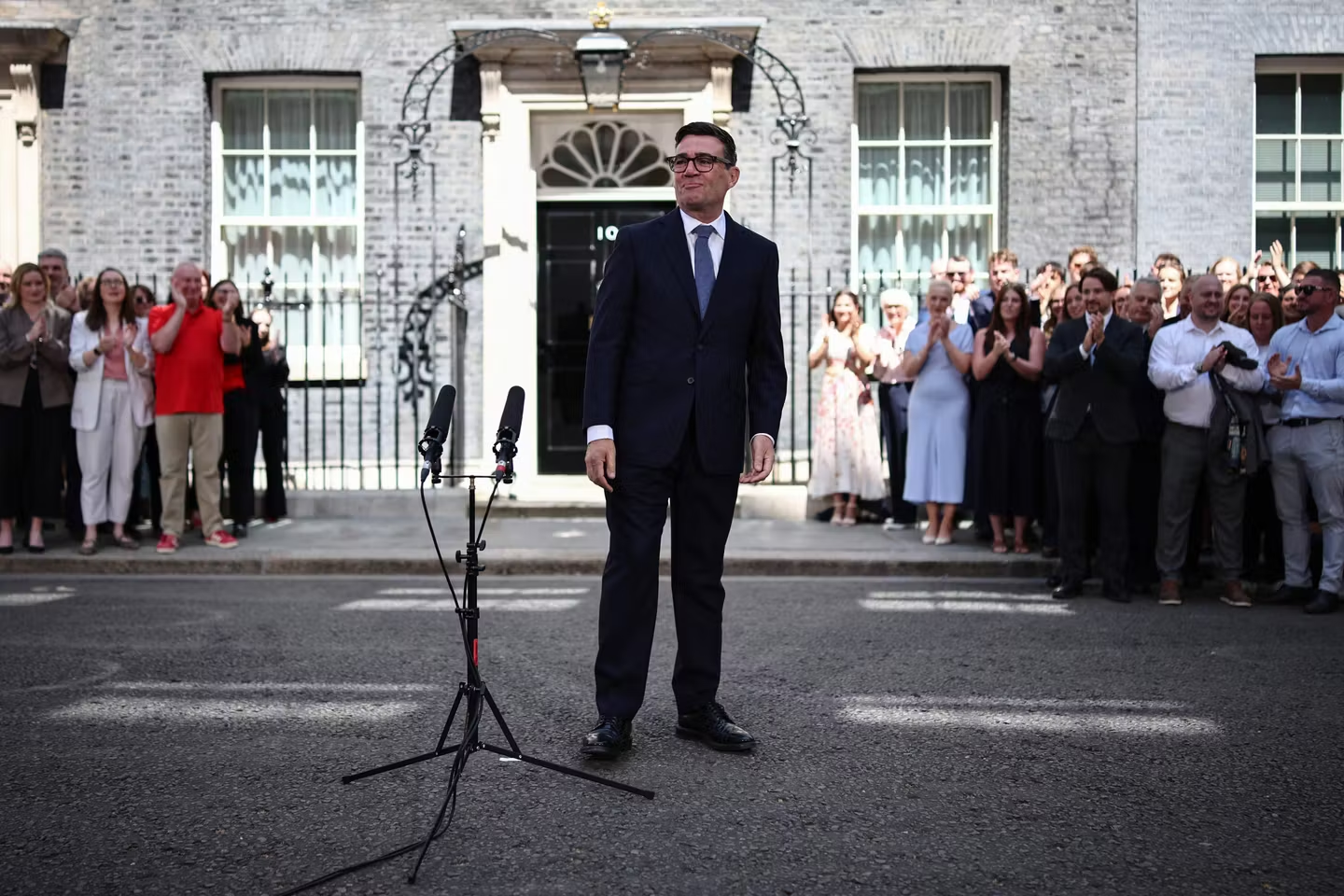
Andy Burnham has unveiled a series of measures targeting the Cost of living during his first week as the United Kingdom’s prime minister. The Cost of living agenda dominated his opening days in office as he announced tax cuts, transport support and business relief. Meanwhile, the Cost of living package also introduced plans to reduce household expenses while supporting businesses and tackling homelessness.
Burnham ended his first week by working from the newly established No. 10 North office in Manchester. He described the office as an effort to spread political power beyond London. Furthermore, he said the move reflected his commitment to stronger regional decision-making.
The government introduced several policies aimed at easing financial pressure on households. Officials said the measures would cost about £1.5 billion. However, the total remains modest compared with annual government spending.
One of Burnham’s first announcements focused on homelessness. During his speech outside Downing Street, he pledged to end rough sleeping across England. The government allocated £340 million for the initiative. Ministers said existing housing budgets would fund the programme. Government figures showed rough sleeping increased significantly over recent years.
Burnham confirmed a nationwide £2 cap on single bus fares. The lower fare will begin in January. He said ministers redirected government spending to help families facing higher living costs. The government estimated the transport policy would cost about £500 million. Officials also confirmed they fully funded the programme.
In addition, the government announced a 20 percent reduction in business rates for pubs, clubs and live music venues. The relief will begin next year. Officials expect around 32,000 businesses to benefit from the measure. They estimate average savings of about £1,100 during the 2027-28 tax year. The Treasury expects the policy to cost about £100 million. Ministers plan to offset part of that cost by reviewing relief for businesses that provide limited community value.
The government also confirmed it will remove the five percent VAT on household electricity bills for six months. The change should begin in October. Ministers estimate average household savings could reach about £45 each year. However, the policy will cost the Treasury around £850 million. Officials said cancelling the previous digital identity scheme would fund the measure. Nevertheless, questions remain after the Office for Budget Responsibility noted the cancelled scheme lacked confirmed funding.
Furthermore, energy experts warned rising wholesale prices could reduce the expected savings. Updated forecasts suggest the energy price cap may increase later this year. As a result, some households may not experience the full financial benefit. Fixed-rate customers could still receive lower bills during the temporary VAT reduction.
Burnham also officially opened No. 10 North in Manchester. He plans to work from the office each week alongside senior ministers. Government officials expect up to 300 civil servants to join the operation over the next year. They also insisted the project would not create additional costs for taxpayers because existing Cabinet Office budgets will cover expenses.
Looking ahead, Burnham has promised to maintain Labour’s existing fiscal rules. He also pledged not to increase income tax. Consequently, analysts expect his first Budget to become an important test of his economic strategy. Ministers now face limited time to prepare those financial plans before the next Budget deadline
For more updates on this news, follow London Pulse News.