
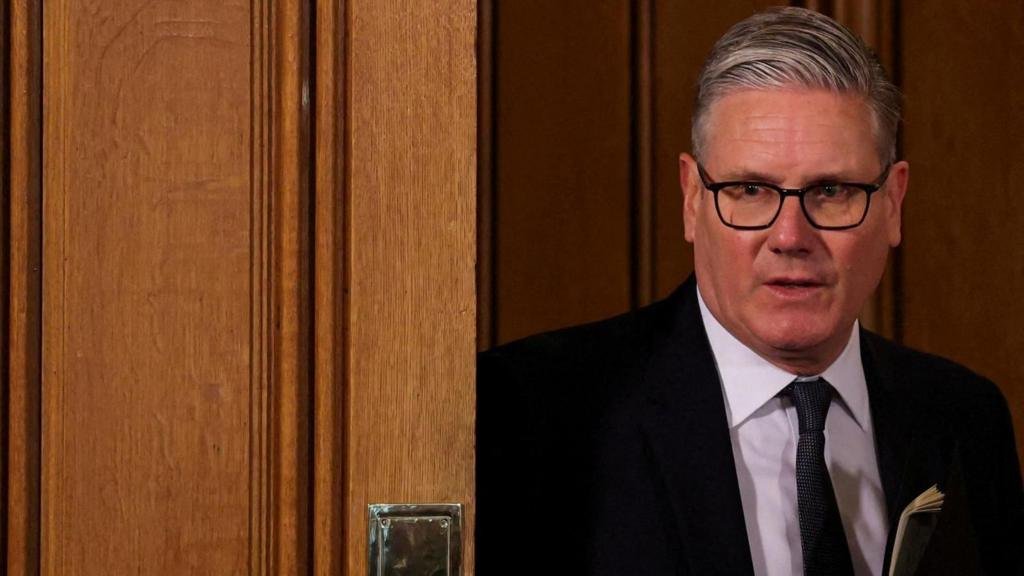
Labour Pressure intensified after Prime Minister Keir Starmer prepared a major speech focused on Europe and economic recovery. Meanwhile, critics inside his own party demanded urgent political changes.
Starmer plans to present a new strategy aimed at rebuilding public confidence. In addition, he wants stronger cooperation with European nations after years of Brexit tensions. Therefore, the government hopes closer partnerships can improve trade and economic stability. The prime minister promised to confront major national challenges directly. He also pledged to restore optimism among British voters after disappointing election results. However, growing unrest inside Labour continues threatening his leadership.
Labour suffered major losses during recent local elections across England, Scotland, and Wales. Furthermore, Reform UK and the Green Party gained support from frustrated voters. As a result, many Labour lawmakers questioned the government’s direction. Several senior Labour figures publicly criticized current policies over the weekend. Former Deputy Prime Minister Angela Rayner warned the party needed significant changes. She argued the government had lost touch with working families struggling financially.
Although Rayner stopped short of demanding Starmer’s resignation, her comments increased political pressure. She also criticized what she described as cronyism within government leadership. Consequently, tensions inside Labour grew even stronger. The Labour Pressure surrounding Starmer increased after lawmakers blamed policy failures for the election setbacks. Critics highlighted economic struggles, rising living costs, and unpopular welfare decisions. Additionally, repeated political reversals damaged public confidence.
Starmer’s decision to appoint Peter Mandelson as Britain’s ambassador to Washington also attracted criticism. Opponents argued the move distracted attention from economic priorities. Meanwhile, public frustration continued spreading across several regions. Despite mounting criticism, Starmer remains determined to continue leading the government. He hopes Monday’s speech can restore momentum before the next parliamentary session begins. Furthermore, officials expect new legislative proposals later this week.
One major policy involves rebuilding closer economic links with the European Union. Britain officially left the EU in 2020 following the Brexit referendum. Since then, businesses have faced trade barriers and economic uncertainty. Starmer supports easing restrictions that affect British companies trading with Europe. He also backs a youth mobility agreement with European countries. Therefore, younger workers could gain opportunities to live and work abroad temporarily.
The prime minister rejected calls for Britain to rejoin the European Union. He also ruled out returning to the EU single market or customs union. Consequently, Labour continues balancing pro-European policies with Brexit realities. Several prominent Labour politicians still avoided direct leadership challenges. Potential rivals include Health Secretary Wes Streeting and Greater Manchester Mayor Andy Burnham. Nevertheless, internal dissatisfaction continues spreading among Labour lawmakers.
Former minister Catherine West warned she could attempt to trigger a leadership contest. She argued Labour must respond quickly to voter frustration. At the same time, other lawmakers demanded a clear transition plan. The Labour Pressure facing Starmer now represents one of the biggest challenges of his premiership. Although he remains defiant, party divisions continue deepening. Therefore, upcoming speeches and policy announcements could shape Labour’s political future.
For more updates on this news, follow London Pulse News.