
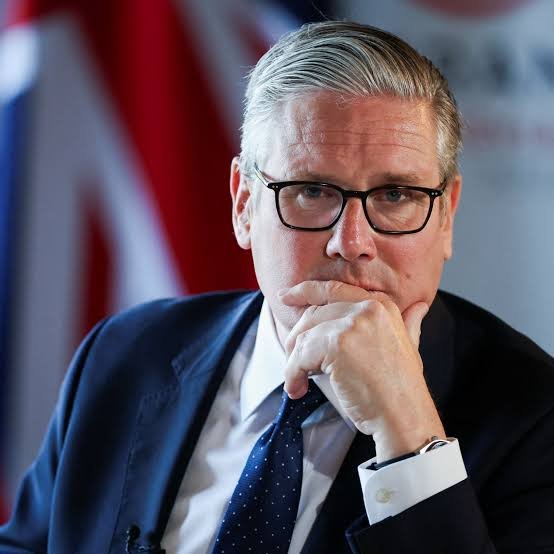
Starmer warning comes as the outgoing prime minister urges his successor to keep international events at the centre of government planning. Starmer warning highlights the close connection between global crises and everyday life in Britain. As political leadership prepares to change, the Starmer warning focuses on the need for balanced decision-making.
Outgoing Prime Minister Keir Starmer has urged the next UK leader to avoid separating foreign policy from domestic priorities. He said global developments now influence almost every aspect of life across the country. Therefore, future governments must respond to international events while managing challenges at home.
Starmer made the comments during his first interview since announcing his resignation on June 22. He reflected on the pressures his government faced throughout his time in office. He also said those same challenges would continue for the next administration.
According to Starmer, the international environment has become increasingly unpredictable. He said conflicts, security concerns, and economic uncertainty now shape political decisions more than ever. Consequently, the next prime minister must prepare for a demanding global landscape.
He explained that foreign policy no longer exists separately from domestic policy. Instead, international decisions directly affect households, businesses, and public services across Britain. As a result, governments must consider global events when developing national policies.
Starmer pointed to the ongoing war in Ukraine as one example. He also highlighted tensions around the Strait of Hormuz. He said both situations influence energy markets and economic stability. Furthermore, these developments affect fuel costs, inflation, and the overall cost of living.
Because of these links, Starmer argued that strong foreign policy supports effective domestic leadership. He said governments cannot solve internal challenges without understanding international risks. Therefore, leaders must maintain close attention to events beyond Britain’s borders.
The outgoing prime minister also addressed the upcoming transition of power. He dismissed suggestions of personal disagreements with his expected successor, Andy Burnham. Instead, he stressed the importance of stability during the handover.
Starmer said he wants the next government to succeed. He pledged to offer support where appropriate during the transition. Moreover, he said national interests should always come before political rivalry.
Britain continues to face economic pressures alongside international security concerns. Therefore, the incoming government will inherit several difficult decisions. Those choices will likely involve defence, energy security, trade, and public finances.
As the leadership change approaches, Starmer’s message remains clear. He believes successful governments must balance domestic priorities with international responsibilities. He argued that ignoring global developments would weaken Britain’s ability to respond to future challenges.
The coming weeks will mark the beginning of a new political chapter. However, Starmer believes international events will continue shaping government decisions for years ahead. He urged the next administration to remain prepared, stay engaged with global partners, and recognise how overseas events influence everyday life across the United Kingdom.
For more updates on this news, follow London Pulse News.