
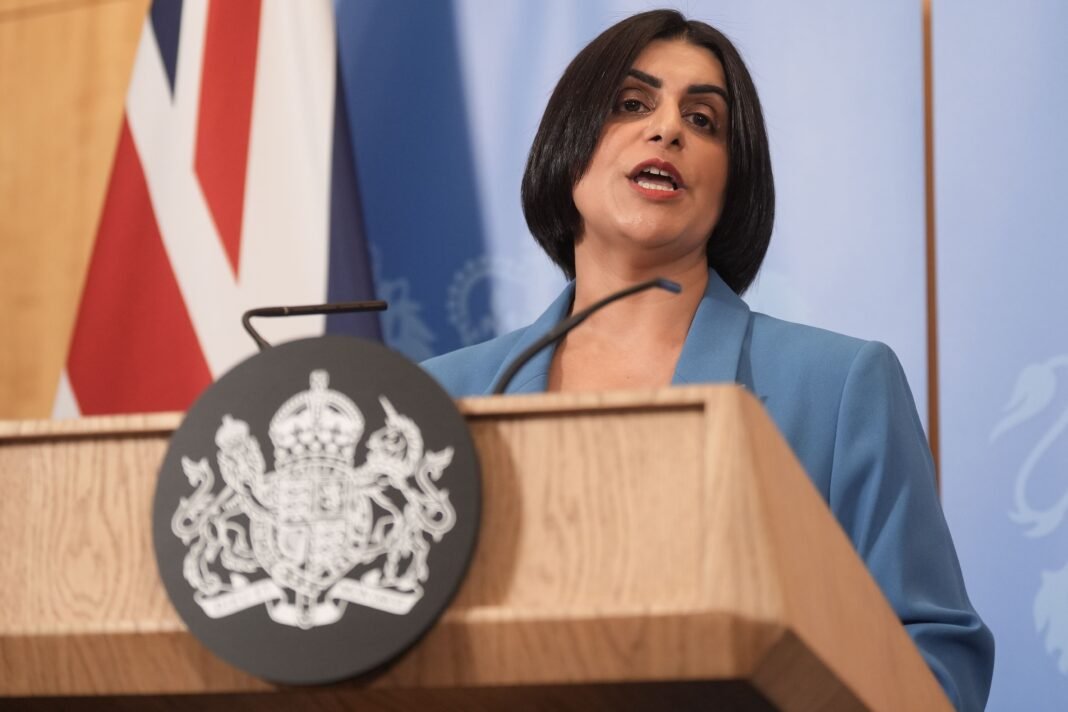
The asylum repayment plan has sparked major debate after the UK government announced new rules for refugees receiving state support. Under the proposal, asylum seekers could repay up to £10,000 once they begin earning.
Shabana Mahmood confirmed the plan on Tuesday as part of a wider immigration reform package. She said the government wants to reduce pressure on public finances while making the system “fairer and more balanced.”
Under the proposal, eligible adults will make monthly payments once their income passes a certain threshold. The government will model the system on student loan repayments. However, migrants must clear the full debt before they can apply for Indefinite Leave to Remain. That status allows people to live, work, and study permanently in the UK.
The Home Office said it spent £4 billion on asylum accommodation and support last year. Officials estimate housing costs average £23.25 per night in shared accommodation. Meanwhile, hotel stays can cost as much as £144 per night. In addition, weekly support payments range from £9.95 to £49.18 per person.
Mahmood argued the asylum repayment plan will help recover some of those rising costs. She said the asylum system already costs too much and added that taxpayers should not carry the full burden forever. Furthermore, officials said refugees who leave the UK before clearing the debt may have to repay the full amount if they want to return later.
The new powers will appear in the Immigration and Asylum Bill, which ministers will introduce to Parliament this week. However, critics have raised concerns about the policy. Madeleine Sumption from the Migration Observatory warned many refugees may not earn enough to repay the debt.
She also said the asylum repayment plan could discourage some people from working after they gain refugee status. Meanwhile, rights groups strongly criticised the move. Helen Bamber Foundation called the proposal unfair and harmful to vulnerable families rebuilding their lives.
The Refugee Council also warned the policy could slow integration and create extra hardship for people fleeing war and persecution. At the same time, opposition figures argued the government had copied previous ideas from rivals.
As the asylum repayment plan moves into Parliament, ministers now face pressure from both supporters and critics over its impact on the future of Britain’s refugee system.
For more updates on this news, follow London Pulse News.