
Heatwave fuel tips can help motorists prepare before soaring temperatures arrive across the UK. Heatwave fuel tips become increasingly important as forecasts predict temperatures reaching 34C. Drivers should follow these Heatwave fuel tips to reduce fuel use and avoid unnecessary breakdowns.
Motorists across the UK have received fresh advice ahead of another spell of exceptionally hot weather. Weather forecasts suggest temperatures will climb into the low 30s early next week. Later in the week, parts of southeast England could see highs of 34C.
Experts say drivers should check their fuel levels before setting out on long journeys. They also recommend filling up earlier rather than waiting for warning lights to appear. Planning ahead could help motorists avoid becoming stranded during heavy traffic or long delays.
Hot weather can affect how efficiently vehicles use fuel. Many drivers rely more heavily on air conditioning during heatwaves. Consequently, fuel consumption often increases, especially on shorter journeys.
Opening windows while driving may also affect fuel economy at higher speeds. Increased air resistance forces engines to work harder. Therefore, drivers should balance comfort with efficient driving whenever possible.
Vehicle specialists also warn that fuel gauges may appear less reliable during extreme temperatures. Although the changes are usually small, motorists should avoid relying on rough fuel estimates. Instead, they should monitor fuel levels more carefully during prolonged hot weather.
Energy experts explain that air conditioning places additional demand on a vehicle’s engine. As temperatures rise, cooling systems work harder to maintain comfortable cabin temperatures. Consequently, fuel consumption can increase noticeably throughout the journey.
Hybrid, plug-in hybrid, and electric vehicles can also experience reduced efficiency during extreme heat. Cooling systems require additional energy to operate. Therefore, overall driving range may decrease during hotter conditions.
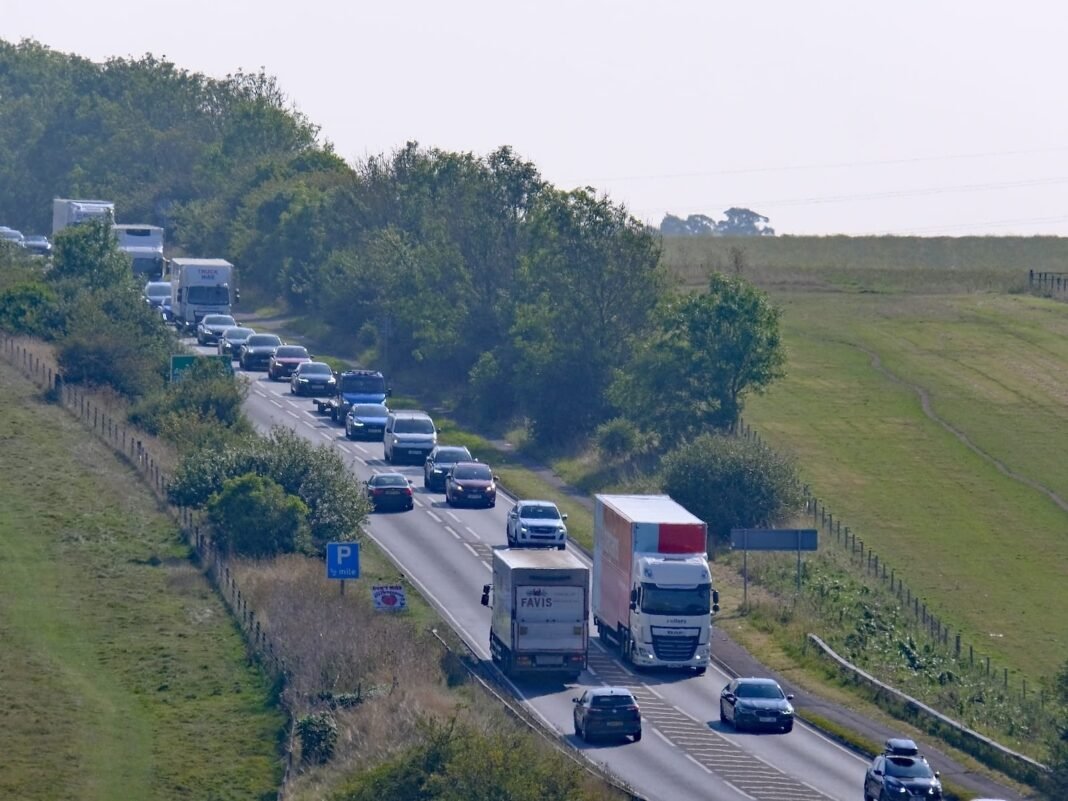
Road safety specialists also encourage drivers to prepare for possible traffic congestion. Busy roads often become even slower during holiday periods and heatwaves. A full fuel tank provides extra reassurance if delays become unavoidable.
Experts recommend checking tyre pressures before travelling. High temperatures can affect tyre performance during long journeys. Drivers should also inspect coolant levels and ensure their vehicles remain in good mechanical condition.
Some motorists still believe filling a fuel tank completely during hot weather creates an explosion risk. However, automotive experts say this claim has no scientific basis. Modern fuel systems safely manage fuel expansion and vapour pressure during high temperatures.
Industry specialists explain that passenger vehicles include safety systems designed for changing weather conditions. Drivers can therefore fill their tanks without worrying about heat-related fuel expansion.
Fuel efficiency generally performs best in moderate weather. Experts say temperatures between 15C and 20C provide ideal operating conditions for most vehicles. However, performance gradually declines as temperatures move well above that range.
With another heatwave approaching, motorists should prepare before leaving home. Filling the tank early, maintaining the vehicle properly, and planning journeys carefully can reduce unnecessary stress. These simple precautions could also help drivers stay safer while travelling during some of the hottest days of the summer.
For more updates on this news, follow London Pulse News.