
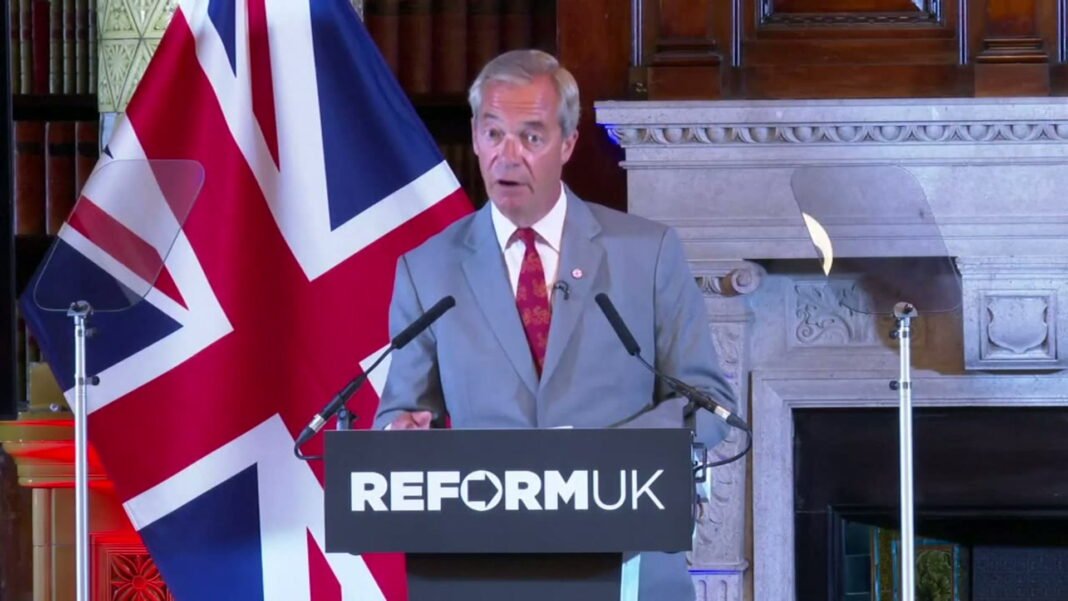
Reform welfare cuts could reshape Britain’s benefits system if the party enters government. The proposals would target disability payments and Universal Credit.
Reform UK says its plans could reduce welfare spending by £50 billion. Robert Jenrick, the party’s Treasury spokesman, outlined the proposals ahead of a detailed announcement. The plan would abolish Personal Independence Payment, commonly known as PIP. It would also remove the health element of Universal Credit for working-age adults.
According to Reform, almost three million people could lose or see changes to their existing disability support. The party estimates that 2.89 million claimants could face modified or withdrawn payments. Meanwhile, around 2.16 million existing claimants would retain their current cash entitlement. Reform expects reassessments to take place over three to four years.
Jenrick described the proposals as the biggest welfare reform in a generation. He argued that the system has experienced rapid growth in disability and sickness claims. He pointed to mental health and behavioural conditions as a particular area of concern. According to Jenrick, the proportion of working-age claimants citing these conditions has tripled since 2002.
However, Reform says support would remain available for people facing serious health challenges. A new health security allowance would target those considered severely affected by illness or disability. The proposed allowance would undergo regular reviews. Reform says it would focus financial support on people with the greatest needs.
At the same time, cash payments for lower-level conditions would end. Instead, councils and mayors would manage disability support accounts. Those accounts could help people pay for equipment, home adaptations and transport. They could also cover personal assistance and other disability-related costs.
The proposals would also introduce changes affecting employers. Companies could face requirements to provide return-to-work insurance for employees who become long-term sick. Reform argues that the measure would encourage employers to help workers return to employment. Businesses would have a financial incentive to support workers during their recovery.
Under the proposed system, people remaining out of work after two years would face another assessment. Reform says the assessment would take place in person. The party says the process would identify fraudulent or unsupported claims. It also wants a single assessment system for people reaching that stage.
Reform welfare cuts would reportedly generate more than £50 billion in savings. Jenrick said the figure would exceed the £23 billion saving proposed by the Conservatives. Around £22 billion of Reform’s projected savings would come from disability benefit changes. The party argues that reducing long-term welfare dependency would also benefit the wider economy.
Nevertheless, the proposals have already attracted criticism from political opponents. Conservative shadow work and pensions secretary Helen Whately questioned Reform’s approach. Whately accused the party of using the announcement to divert attention from other political controversies. She also argued that Reform had previously changed its position on welfare policy.
Labour also rejected Reform’s figures and proposals. A Labour spokeswoman described the £50 billion saving estimate as unrealistic. She argued that the plan would shift costs away from government and onto employers. Labour also defended its own welfare reforms as independently assessed and financially credible.
Reform welfare cuts could therefore become a major political issue ahead of the next general election. The proposals would affect millions of people currently receiving disability or sickness-related support. For now, Reform has not released every detail of the proposed system. The party plans to provide further information about the reforms on Monday.
The debate will likely focus on how the changes affect disabled people and long-term sick workers. It will also examine whether the projected savings can realistically materialise. Ultimately, Reform is presenting the plan as an attempt to reduce welfare spending. Critics, however, warn that major benefit changes could create serious financial pressures for vulnerable households.
For more updates on this news, follow London Pulse News.