
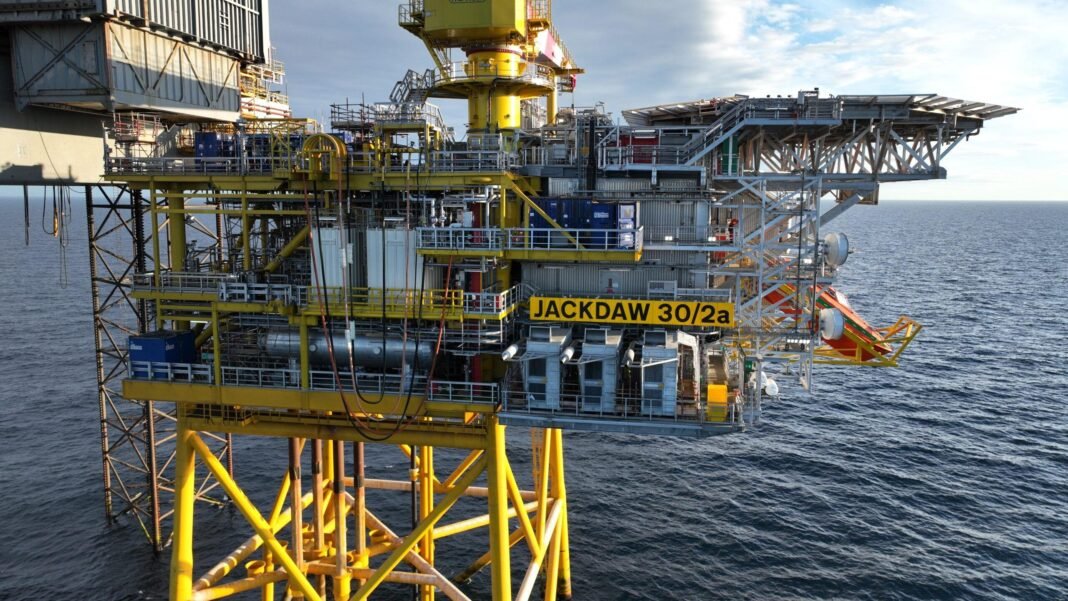
Andy Burnham faces growing pressure to approve two major North Sea energy projects. Supporters say North Sea drilling could protect jobs and strengthen Britain’s energy security.
The pressure comes as a public consultation on the Jackdaw gas field reaches its final stage. A separate consultation concerning Rosebank will close next week. Both projects have attracted strong political support from Scottish Conservatives. They argue that approval would provide economic benefits across Scotland and the wider United Kingdom.
Andrew Bowie, the shadow Scottish secretary, urged Burnham to approve production at both fields. He said Britain needs a different approach to its energy policy. Bowie argued that refusing the projects would damage the country’s oil and gas industry. He also warned that such a decision could affect thousands of workers.
According to Bowie, Jackdaw and Rosebank could create jobs across the North Sea supply chain. He also linked the projects to energy security and government revenues. The intervention comes after BP announced plans to leave its North Sea operations. The company has operated in the region for around six decades.
Bowie described BP’s decision as a warning for the government. He called for changes to policies affecting investment in the domestic energy industry. The shadow Scottish secretary also criticised the Energy Profits Levy. He argued that the current tax burden makes investment less attractive.
Meanwhile, business leaders have also called for greater certainty. Russell Borthwick, chief executive of Aberdeen and Grampian Chamber of Commerce, backed approval for Jackdaw. Borthwick said the consultation should mark the end of uncertainty surrounding the project. He argued that Britain still needs gas despite its growing renewable energy sector.
He said domestic gas production continues to fall. At the same time, national demand remains significant. Jackdaw could provide more than six per cent of Britain’s gas supply at peak production. Supporters say that output could help meet the heating needs of millions of households.
Borthwick also argued that Britain would need to import more gas without domestic production. He said imports could increase the country’s exposure to international market changes. Furthermore, he highlighted the project’s potential economic contribution. Jackdaw could support skilled employment, tax revenues and North Sea infrastructure.
The developer also defended both projects. Adura chief executive Neil McCulloch described Jackdaw and Rosebank as projects of national importance. McCulloch said the developments could support jobs and apprenticeships. He also highlighted their potential contribution to businesses and government revenues.
The company argues that domestic production could produce lower associated emissions than some imported alternatives. However, environmental campaigners have previously challenged the projects in court. A successful legal challenge delayed both developments. The challenge also forced authorities to reconsider their carbon emissions assessments.
The previous Conservative government had approved the projects. Labour inherited responsibility for the final decisions after entering government. Burnham has previously indicated support for a more pragmatic approach to the North Sea. However, neither he nor Energy Secretary Miatta Fahnbulleh has confirmed whether they will approve the projects.
That uncertainty has frustrated parts of the oil and gas industry. Companies want greater clarity before committing further investment. The industry also faces a substantial tax burden on profits. At the same time, political opposition to new drilling remains strong in Scotland.
Supporters argue that Britain needs domestic energy during its transition toward cleaner sources. They also say continued oil and gas production can operate alongside renewable development. Critics, however, argue that expanding fossil fuel production conflicts with climate objectives. The government therefore faces pressure from both the energy industry and environmental campaigners.
For Burnham, the decisions could become an important test of his energy strategy. Approval could reassure businesses seeking investment opportunities in the North Sea. Refusal could instead strengthen the government’s climate credentials. However, it could also increase concerns about employment and domestic energy production.
The UK Government has stressed that the North Sea remains an important national asset. Ministers also recognise the continuing role of oil and gas in Britain’s energy system. At the same time, the government says it will support renewable energy and other low-carbon technologies. Officials have also promised stability for workers and communities connected to the sector.
The debate is therefore likely to continue as ministers consider the future of Jackdaw and Rosebank. For now, the final decisions remain unresolved. The outcome could shape Britain’s energy policy and the future of the North Sea industry. It could also influence investment decisions across the region for years ahead.
For more updates on this news, follow London Pulse News.