
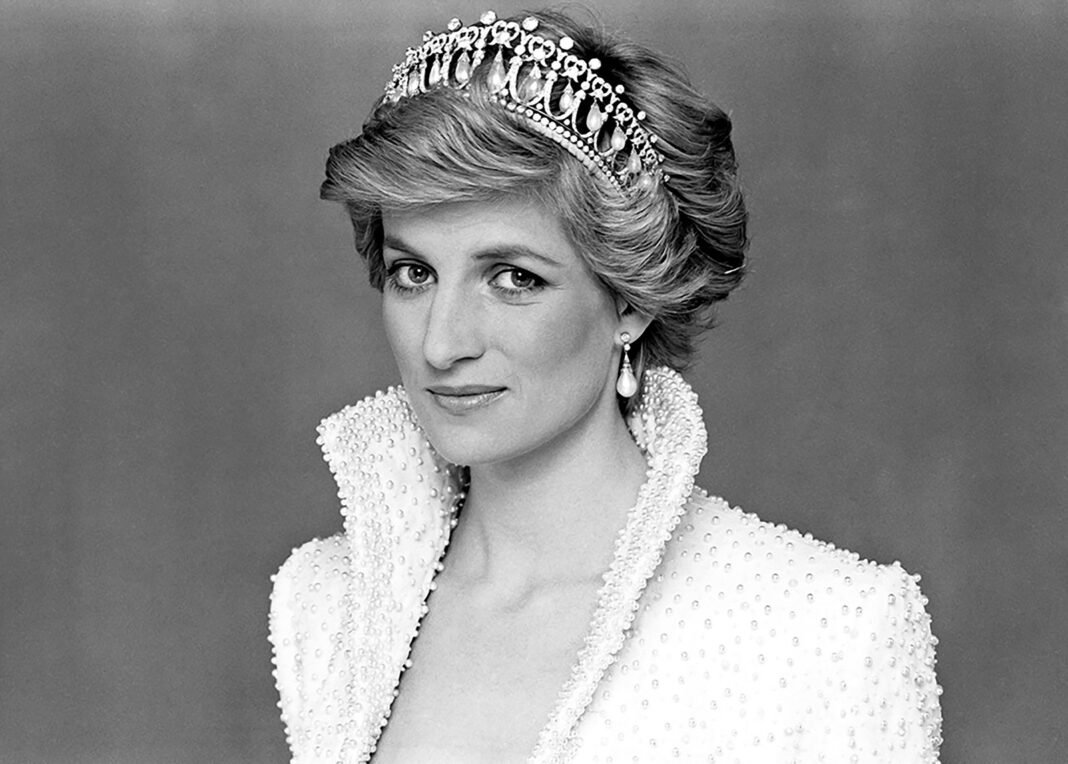
Princess Diana remains one of the most recognisable and beloved figures in modern British history. On August 31, 2026, the world marks 29 years since her tragic death in Paris.
Diana died on August 31, 1997, after a car crash in the Pont de l’Alma tunnel. She was 36 years old. Her death shocked Britain and sparked an extraordinary wave of public grief.
Millions of people mourned Diana in the days that followed. Crowds gathered outside Kensington Palace and other royal landmarks to leave flowers, messages and tributes.
Diana became a global figure during her marriage to King Charles III, then Prince Charles. The couple married at St Paul’s Cathedral in 1981. Their wedding attracted huge attention around the world.
The couple later welcomed two sons, Prince William and Prince Harry. Diana focused strongly on her role as a mother and often spoke about wanting to give her children a normal upbringing.
Beyond royal duties, Diana developed a reputation for supporting humanitarian causes. She worked with charities and used her international profile to raise awareness of issues affecting vulnerable people.
Her work also helped change public attitudes toward several important causes. She became particularly associated with campaigns involving homelessness, HIV and AIDS awareness, landmines and children’s welfare.
Diana also broke traditional royal conventions. She often connected directly with members of the public and showed warmth during official visits. Her approach helped create a strong emotional bond with people in Britain and around the world.
Twenty-nine years after her death, that connection remains strong. Her sons have continued to speak about her influence and the lessons she taught them.
Prince William and Prince Harry have also carried aspects of Diana’s charitable legacy into their own work.
Her life continues to attract documentaries, books, exhibitions and public discussion. Her fashion influence also remains significant, with many of her iconic looks still inspiring designers and fans.
Diana’s story remains a powerful part of the British royal family’s modern history. Nearly three decades after her death, people around the world continue to remember the woman they called the “People’s Princess.”