
UK inflation fell to its lowest level in 15 months during June, offering encouraging news for households facing higher living costs. UK inflation eased as food and fuel prices declined across the country. Meanwhile, UK inflation delivered an early boost to Prime Minister Andy Burnham’s efforts to ease financial pressure on families.
The Office for National Statistics said the Consumer Prices Index dropped to 2.6% in June. The figure fell from 2.8% in May and came in below economists’ expectations. The latest reading marks the lowest inflation rate since March 2025. As a result, many economists believe price pressures have started to ease.
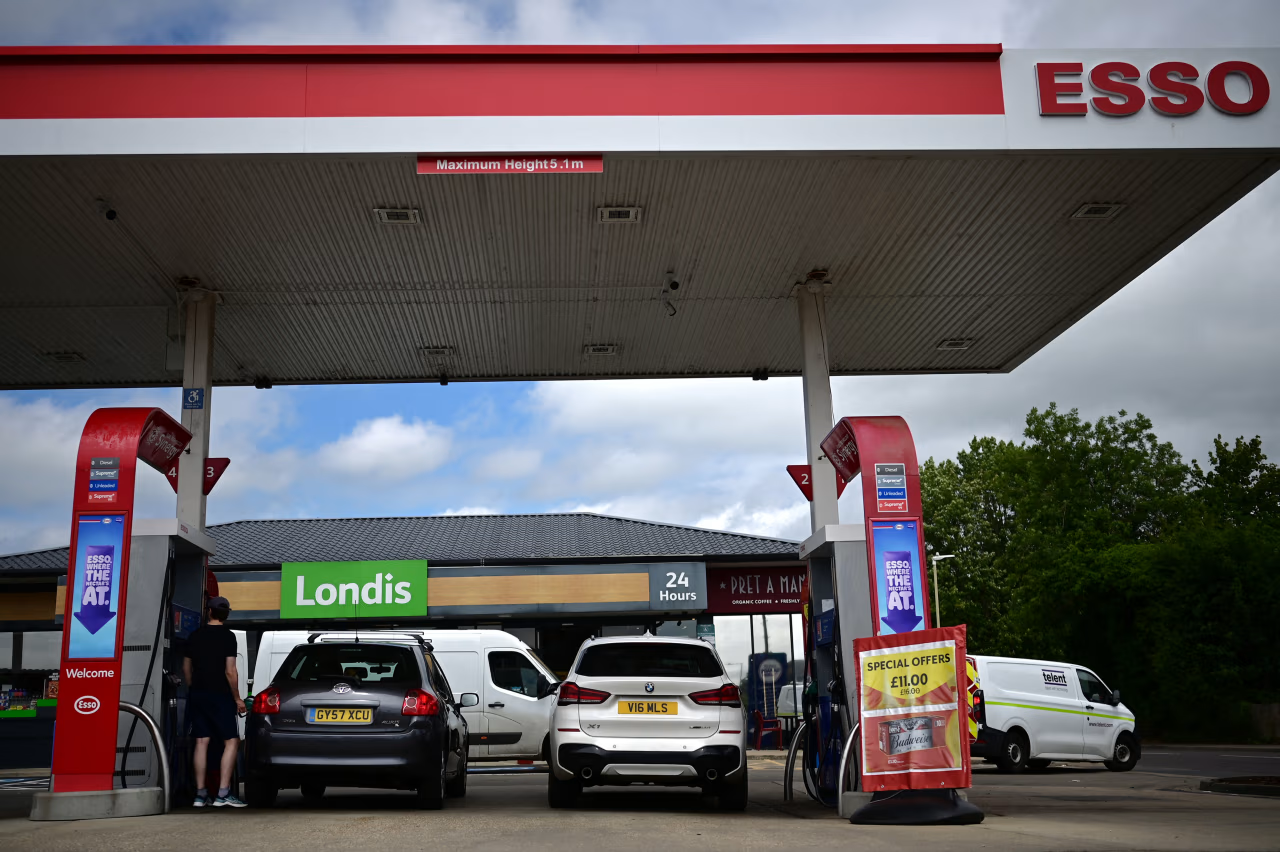
Lower transport costs helped drive the decline. In addition, food and non-alcoholic drink prices also contributed to the slowdown. Average petrol prices fell by 2.1 pence per litre between May and June. Diesel prices also dropped by 10.7 pence per litre during the same period.
Furthermore, petrol prices declined for the first time since the Middle East conflict began in February. Earlier increases in oil and gas prices had pushed fuel costs sharply higher. Although prices eased during June, fuel still costs far more than a year ago. Motor fuel prices remain more than 21% higher than last June.
Food prices also showed signs of improvement. Prices for food and non-alcoholic drinks fell by 0.2% during the month. Consequently, annual food inflation slowed to 1.7%. That figure had reached 2.2% in May.
The Office for National Statistics said several products contributed to lower food prices. These included chocolate, margarine and beef. Meanwhile, summer sales helped reduce clothing prices. Retailers offered larger discounts than they did during the same period last year.
The cost of raw materials also declined for the first time since January. Lower crude oil prices largely drove that improvement. In addition, factory gate prices continued rising more slowly. That trend may help ease pressure on businesses in the coming months.
The figures arrive during Prime Minister Andy Burnham’s first week in office. His government has made the cost of living a central priority. Chancellor John Healey welcomed the latest inflation figures. However, he stressed that ministers still have more work ahead.
He said the government wants to give families greater financial breathing space. Therefore, ministers continue introducing measures to reduce everyday costs. Earlier this week, the government announced plans to remove VAT from household electricity bills. Officials expect the change to take effect from October 1.
The government also confirmed a £2 cap on bus fares from January. Ministers believe both measures will reduce household expenses. Officials estimate that removing VAT from electricity bills will also slightly reduce inflation. They expect the policy to lower the Consumer Prices Index by around 0.1 percentage points.
Meanwhile, the government says its early policy decisions focus on supporting working families. Ministers argue that lowering essential costs remains their immediate priority. Despite the encouraging figures, economists continue monitoring inflation closely. Global energy markets remain unpredictable, while economic uncertainty continues.
The latest data suggests inflationary pressures may be easing. If that trend continues, households could benefit from greater price stability during the months ahead.
For more updates on this news, follow London Pulse News.